Afrolektra: The Architect of Ghana’s New Sound
Inside the studio with Eyram Gbewonyo, the producer turning Accra into Africa’s most exciting music capital The beat drops at 2 AM in a dimly lit Accra studio, and suddenly the room is alive. Traditional Ghanaian percussion loops fold into themselves, spiraling through layers of electronic synthesis until you can’t tell where the highlife ends […]



Within Eyram Gbewonyo’s studio, the producer reshaping Accra into Africa’s most vibrant music hub
At 2 AM, the studio in Accra lights dim, and suddenly the space erupts. Traditional Ghanaian percussion loops intertwine, spiraling through layers of electronic synthesis until the boundary between highlife and house music blurs.
This is Afrolektra’s domain—a sonic laboratory where ancestral rhythms acquire passports to the future.
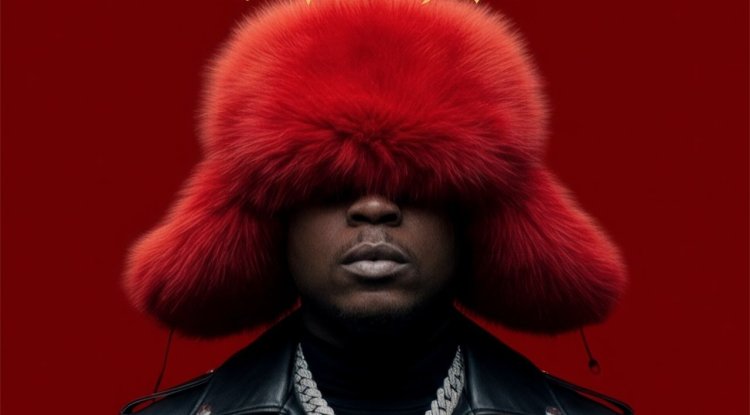
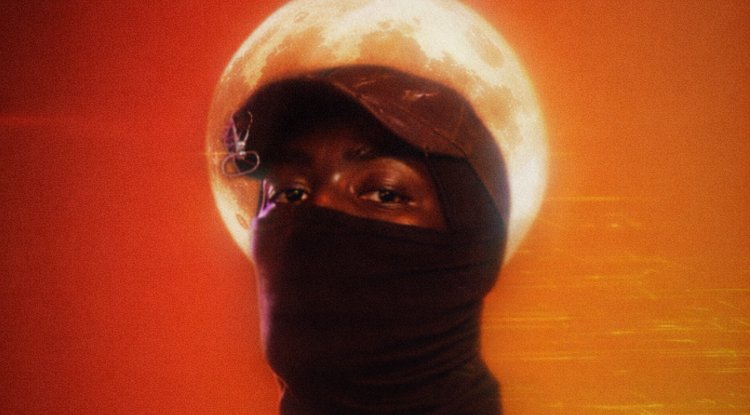
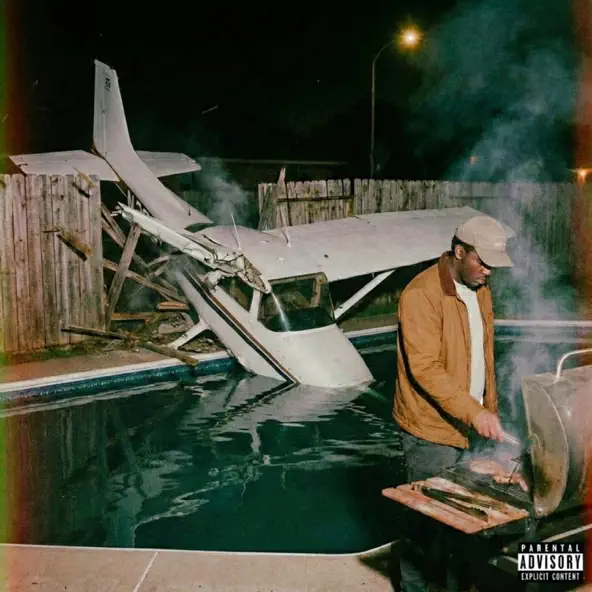
Eyram Gbewonyo doesn’t just make beats; he constructs worlds. In 2025, his influence is everywhere. Three albums he touched—Gyakie’s After Midnight, Black Sherif’s Iron Boy, Omar Sterling’s VTH 2—all claimed the No. 1 spot on Apple Music Ghana. It’s the kind of dominance that makes you wonder if there’s something in the water, or if Gbewonyo simply understands the frequency at which modern Ghana vibrates.
In 2010, a young Gbewonyo downloaded Fruity Loops and VirtualDJ on a whim. The software was clunky, the laptop struggled, but something clicked. He had grown up immersed in sound—marching band formations, church choir harmonies, the ambient symphony of Accra itself. Music theory wasn’t something he studied; it was something he breathed.
But production was different. It was architecture. It involved selecting which drum pattern carries the emotional weight, which synth line makes your hair stand on end, and when silence should speak louder than noise.
By 2015, the hobby had evolved into obsession. Gbewonyo began reaching out to industry professionals, testing his creations against the market’s brutal honesty. The bedroom producer graduated to real studios, real artists, real stakes. The DJ decks followed suit—a natural progression for someone who viewed remixing not as destruction but as resurrection, taking familiar songs and revealing secret lives hidden in their DNA.
What makes an Afrolektra production recognizable isn’t a signature sound—it’s a signature philosophy. He operates in the tension between preservation and innovation, refusing to treat African musical traditions as museum pieces while simultaneously rejecting the notion that modernization equals westernization.
Listen to Black Sherif’s “Rebel Music” and you’ll hear it: drums that could soundtrack both a village festival and a Berlin nightclub, melodies that honor their origins without being shackled to them. This is fusion that doesn’t announce itself, doesn’t beg for credit. It simply exists, confident in its multiplicity.
His DJ sets across Ghana’s festival circuit—Afrofuture, Chale Wote Street Art Festival, Accravaganza, Manifestivities—operate on the same principle. He’s not just playing records; he’s conducting conversations between eras, genres, continents. The dancefloor becomes a portal where past and future collapse into an eternal, rhythmic present.

When you speak with Afrolektra about his work, he’ll redirect you to the artists. It’s not false modesty—it’s a genuine belief that great production is about excavation, about finding what’s already inside a song and amplifying it until it glows.
With Gyakie, for whom he produced four tracks on After Midnight including “Rent Free,” “Unconditional,” and “I’m Not Taken” featuring Headie One, the chemistry is effortless.
“Gyakie is one of my favorite collaborators,” he says. “She’s not just a great writer, she’s actually a very good producer also. She knows what she wants to hear, all her many ideas, and I amplify those, taking them to the next level.”
It’s a partnership of equals, both producers in their own right, pushing each other toward sounds neither could reach alone.
Omar Sterling’s VTH 2 offered a different kind of education. Afrolektra produced six tracks, including “Boom Boom” featuring Reggie Osei, O’Kenneth and Jay Bahd, and “Sure Banker & Yawa” with Sarkodie. Working with an artist who’s been in the game for decades, who carries the weight of Ghana’s hip‑hop history in his verses, taught Gbewonyo that great production is as much about listening as creating.
“Omar Sterling is not just a great rapper and lyricist. He lives whatever he says in his music, from past experiences to his spiritual path. I’m glad to have experienced him in studio as we put all these records together. As someone who’s been in music and life for decades, he’s a teacher, and I’ve learnt quite a lot from his journey, even beyond the music.”
Then there’s the work with Camidoh on “Brown Skin Girl” featuring Stonebwoy, R2bees’ “Sure Banker & Yawa,” and Offei’s “I Like”—each collaboration a different puzzle, each requiring Afrolektra to shed his ego and become a conduit for someone else’s vision.
What drives a producer to spend fifteen years perfecting a craft that often goes uncredited? For Afrolektra, it’s about bridging gaps that shouldn’t exist in the first place. Why should electronic dance music and African traditional rhythms occupy separate worlds? Why can’t a song make you want to dance in a club in London and at a street festival in Accra?
His sets at intimate venues like iMullar Sound System and larger events like Zaama Disco and Outmosphere demonstrate this range. One night he’s soundtracking contemporary art at Chale Wote, the next he’s holding down a warehouse rave. The context changes but the mission remains: create spaces where different musical traditions can not just coexist but actively conspire with each other.
This is the Afrolektra method—not fusion for fusion’s sake, but a genuine belief that the future of African music isn’t about choosing between tradition and modernity. It’s about recognizing that the choice itself is a false binary, a colonial hangover that needs to be discarded.
Right now, African music is having its moment on the global stage. Afrobeats dominate charts, festival lineups bow to the power of West African rhythms, and suddenly everyone wants a piece of the sound. But Afrolektra isn’t chasing trends—he’s creating them, quietly, from studios in Accra that most of the world will never see.
His trajectory suggests something larger than personal success. He represents a generation of African producers who grew up with the entire history of recorded music at their fingertips, who see no contradiction between honoring their
What's Your Reaction?