10 UK-Based Ghanaian Artists You Need To Know
The Ghanaian diaspora in the United Kingdom has long been one of the most creatively fertile communities in British music. Whether blending highlife rhythms with grime, fusing afrobeats with R&B, or carrying the rawness of drill into the charts, UK-based Ghanaian artists have quietly — and sometimes loudly — transformed the soundtrack of modern Britain. […] The post 10 UK-Based Ghanaian Artists You Need To Know appeared first on Ghana Plug.
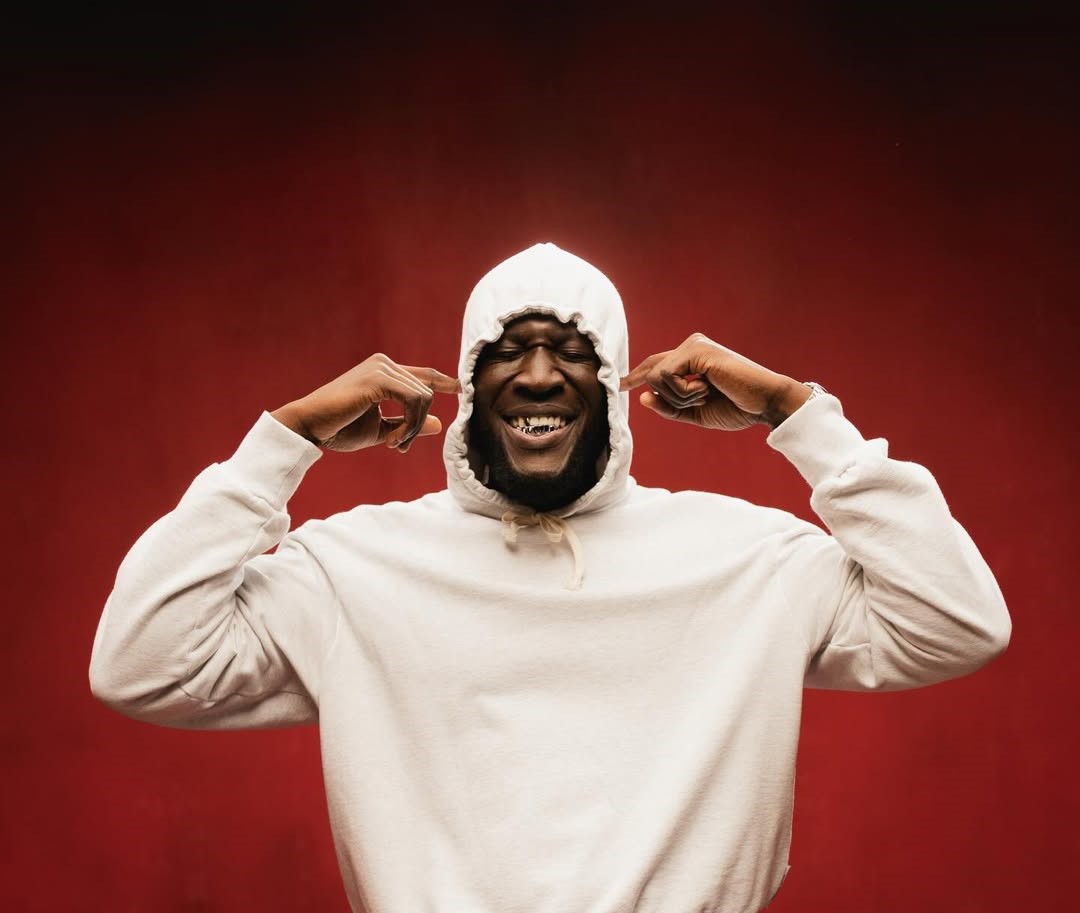


The Ghanaian diaspora in the United Kingdom has long been one of the most creatively fertile communities in British music. Whether blending highlife rhythms with grime, fusing afrobeats with R&B, or carrying the rawness of drill into the charts, UK-based Ghanaian artists have quietly — and sometimes loudly — transformed the soundtrack of modern Britain. Here are ten you absolutely must know.
Stormzy
Born in Thornton Heath, Croydon, to a Ghanaian mother — Abigail Owuo, who was born and raised in Ghana — Stormzy is arguably the most culturally significant British-Ghanaian artist of his generation. He began rapping at age 11, clashing with older MCs at his local youth club, and by 2014, his Wicked Skengman freestyle series had the underground gripped. His debut album Gang Signs & Prayer (2017) became the first grime album to reach number one on the UK Albums Chart and won British Album of the Year at the Brit Awards. In 2019, he made history as the first Black British solo artist to headline Glastonbury, performing in a Union Jack stab vest designed by Banksy. His Ghanaian roots are worn proudly: at the 2022 Global Citizen Festival in Accra he declared “Ghana, my people — I’m home!”, wore a t-shirt bearing the face of highlife legend Daddy Lumba, and brought Yaw Tog and Kwesi Arthur onstage. Beyond music, his #Merky Books imprint and Cambridge Scholarships for Black students cement a legacy far larger than any chart position.
Fuse ODG
Born in London and raised in Ghana before returning to the UK for secondary school in Croydon, Fuse ODG is perhaps the most recognisable name in British-Ghanaian music. His 2013 debut single “Antenna” shot to number 7 on the UK Singles Chart, and his follow-up “Azonto” ignited one of the biggest African dance crazes in the diaspora — years before TikTok made viral dance trends commonplace. His stage name says it all: “Fuse” for the fusion of Afropop, hip-hop, R&B, funk, and rock; “ODG” for Off Da Ground, his record label. Beyond the hits, Fuse ODG is a committed cultural advocate who has worked on education and development initiatives in Ghana, and has collaborated with Sarkodie, Wyclef Jean, and Major Lazer. MOBO, MTV Africa Music, and Ghana Music Awards all feature on his trophy shelf.
Headie One
Raised in Tottenham with Ghanaian roots, Headie One is one of the UK drill scene’s most compelling and commercially successful figures. He initially dreamed of a football career at Haringey Borough F.C. before a serious ankle injury redirected him to music. After a period in prison, he emerged with a sharper lyrical focus and a reputation for some of the genre’s most intense storytelling. By 2022, he was sharing stages — and studio sessions — with Drake and Stormzy, while also linking up with Ghanaian artists like Smallgod, O’Kenneth, and Kwaku DMC. His career traces a path from the streets of North London to a genuinely global reach.
Lethal Bizzle
Born in 1984 to Ghanaian parents, Maxwell Owusu Ansah — the world knows him as Lethal Bizzle — was one of grime’s founding architects. As part of the More Fire Crew, their single “Oi!” cracked the UK Singles Chart top 10. As a solo artist, his 2004 anthem “Pow (Forward)” won the MOBO Award for Best Single and earned him a Best Newcomer nomination. The track became a cultural lightning rod, at times banned from nightclubs across the UK due to its energising effect on crowds. Most of his solo releases have landed in the top 40, and collaborations with Stormzy, Twista, and Fuse ODG cemented his status as a lifer in the British music scene.
Tinchy Stryder
Born in Accra on 14 September 1986 and brought to the UK by his family in 1995, Tinchy Stryder became a household name in the late 2000s. A founding figure in the grime scene alongside Dizzee Rascal and Wiley through the Roll Deep collective, he went on to chart-topping mainstream success with songs that blended his Afrobeats sensibilities with UK pop. His energy on stage was infectious — a relentless performer whose short stature belied a huge presence. He has collaborated with Fuse ODG and Taio Cruz, and his legacy in the Ghanaian-British music story is foundational.
Sway
Known professionally as Sway or Sway DaSafo, Derek Andrew Safo is a British rapper and producer of Ghanaian heritage who has been a force in UK hip-hop for more than two decades. Born in Hornsey, North London, he was self-taught on music production equipment in his school’s back room. His 2006 debut album “This Is My Demo” arrived to critical appreciation, and he followed it with “Black Stars” (2008), a track that celebrates Ghanaians making waves in the diaspora. A natural bridge-builder, Sway has collaborated with Ghanaian rappers Sarkodie and Edem, keeping his roots firmly in the conversation throughout a long, self-determined career.
Donae’o
Of Ghanaian and Guyanese descent, Donae’o is a pioneering figure in the UK’s afrobeats and funky house scene. He attended school in Accra at Alsyd Academy in Dzorwulu before building his career in the UK. His 2009 global banger “Party Hard” remains his calling card — deceptively underplayed on YouTube counts given the scale of its reach in clubs and sound systems. In 2020, he released a remix titled “Partey Hard” to celebrate Thomas Partey’s high-profile move to Arsenal FC — a characteristically witty celebration of Ghanaian achievement. He has collaborated multiple times with Sarkodie, maintaining strong ties to the homeland.
Guvna B
Isaac Borquaye — Guvna B — was born in London to Ghanaian parents and has become one of the UK’s most decorated gospel artists, winning the MOBO Award for Best Gospel Artist three times and the Urban Music Award for Best Gospel Act another three. A graduate of the University of Hertfordshire, he is also an author and broadcaster, making him one of the more multi-dimensional figures in this list. Across 10 albums, he has fused gospel, hip-hop and grime to produce music that is both sonically exciting and spiritually grounded, collaborating with artists including Wretch 32 and Michelle Williams along the way.
Mista Silva
One of the unsung architects of afrobeats in the UK, Mista Silva was releasing material long before the genre became mainstream currency in British music. His 2012 tracks “Full Vim” and “Boom Boom Tah” blended funky house attitude, the edge of grime, and the joyful party spirit of hiplife — arriving right as the azonto dance craze swept through diasporic communities. BBC 1Xtra championed his sound alongside the Guardian, and he is widely credited with helping build afrobeats’ UK audience alongside Fuse ODG and DJ Abrantee. A deal with Polydor in 2014 briefly pulled him toward a more mainstream direction; he stepped away when the label refused to back his authentic sound, a decision that speaks to an admirable artistic integrity.
Kojo Funds
Kojo Funds emerged from the East London scene with a sound that weaves afrobeats warmth through the gritty textures of UK street music. His melodic sensibility and smooth delivery set him apart in a scene that prizes rawness, and he became one of the more distinctive voices in the UK’s afroswing era. Collaborations across the UK rap and afrobeats spectrum have kept him in conversations about artists who successfully hold multiple cultural identities — British, Ghanaian, and part of a broader African diaspora scene that refuses easy categorisation.
The post 10 UK-Based Ghanaian Artists You Need To Know appeared first on Ghana Plug.
What's Your Reaction?