Ess Thee Legend Opens Up About Love, Healing, and Vulnerability on BLOOM EP
With her new EP BLOOM, Ghanaian singer, songwriter, and rapper Ess Thee Legend invites listeners into a deeply personal exploration of love, longing, desire, and emotional growth. Across five emotionally rich tracks, the project navigates the highs and lows of intimacy, capturing everything from the excitement of being noticed to the pain of letting go. […] The post Ess Thee Legend Opens Up About Love, Healing, and Vulnerability on BLOOM EP appeared first on Ghana Plug.



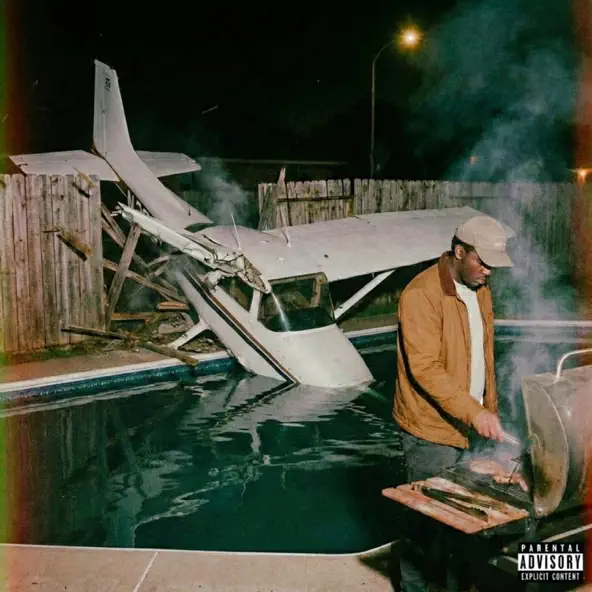
With her new EP BLOOM, Ghanaian singer, songwriter, and rapper Ess Thee Legend invites listeners into a deeply personal exploration of love, longing, desire, and emotional growth. Across five emotionally rich tracks, the project navigates the highs and lows of intimacy, capturing everything from the excitement of being noticed to the pain of letting go. Blending elements of soul, alternative R&B, Afrobeats, and atmospheric soundscapes, BLOOM showcases an artist unafraid to embrace vulnerability and emotional honesty.
Since launching her music career professionally in 2019, Ess Thee Legend has steadily carved out a unique space within Ghana’s alternative music scene. Influenced by iconic storytellers such as Sade, Lauryn Hill, Erykah Badu, Tems, and Amaarae, she has built a reputation for creating music that is both deeply reflective and emotionally resonant. Beyond her recordings, her growing presence on stages across Ghana and initiatives like her self-curated Ess Live concert series have further established her as one of the country’s most compelling emerging voices.
In this exclusive interview, Ess Thee Legend opens up about the inspiration behind BLOOM, the emotional experiences that shaped its songs, the role of vulnerability in her artistry, and how her journey over the past few years has strengthened her confidence as both an artist and storyteller.
BLOOM feels deeply emotional and intimate. What was the original idea or feeling that sparked the project?
Ess: Bloom was born from my fascination with love in all its forms. The excitement of being seen, the fear of being forgotten, the ache of distance, the beauty of connection and the process of healing. I wanted to create a body of work that captured the emotional seasons we go through as human beings. Just like a flower blooms through different stages, I felt like these songs reflected different stages of emotional growth.
The EP explores love, desire, distance, and emotional fragmentation. Did you approach it as a storyline, or did it come together more organically?
Ess: It came together organically at first. Most of the songs were written from a real emotion or experience. But as I listened to them collectively, I realized they were all connected. They felt like different chapters of the same emotional journey. So while I didn’t set out to write a storyline, Bloom eventually revealed one to me.
The opening track, “Couldn’t Cry” sets a very vulnerable tone. What was going through your mind when you wrote that song?
Ess: I was thinking about emotional numbness. Sometimes people assume heartbreak always looks dramatic, but there are moments when you’ve been hurt so much that you don’t even have tears left. You’re carrying the weight of everything internally. Couldn’t Cry was me exploring that feeling of wanting release but feeling emotionally stuck.
Couldn’t Cry is technically not my story as it was written mostly by R.K.. Wurapa, but I still felt it when I was singing it.
“No More Texts” speaks to intimacy in a digital age. How do you think technology is reshaping modern relationships and emotional connections?
Ess: Technology has made communication easier, but emotional connection more complicated. We’re constantly connected, yet many people still feel unseen. A text message can create intimacy, but it can also create distance. No More Texts explores that tension between wanting closeness and realizing that a real connection often requires way more than screens and notifications.
Songs like “Notice Me” and “Never Work Out” sit on opposite emotional ends of longing and acceptance. How do you balance those emotional extremes in your writing?
Ess: I don’t really try to balance them. I allow myself to be honest about whatever emotion I’m experiencing in that moment. Sometimes that honesty sounds like hope and longing. Other times it sounds like acceptance and letting go. I think people connect to music because it reflects the contradictions of real life. We can want something deeply and still know it’s time to move on.
Notice me is also not just about being seen by someone you like, but it’s also about being seen in my field of work & getting the attention and love I deserve in it.
“Kyekyere Me” has a strong Ghanaian sonic identity. How intentional are you about blending local textures with your alternative R&B and soul influences?
Ess: It’s very intentional. I’m Ghanaian, so my cultural identity naturally finds its way into my music. I love alternative R&B, soul, and ethereal sounds, but I also love the rhythms, language, and musical traditions I grew up around. Kyekyere Me felt like a beautiful meeting point between those worlds.
Your sound sits between Afrobeats, soul, alternative R&B, and more atmospheric styles. How do you personally define your sonic identity, if at all?
Ess: I usually describe my music as soul-driven and emotion-led. Genres help people categorize music, but I often start with a feeling rather than a genre. If the emotion requires soul, alternative R&B, Afrobeats, rap, or something more ethereal, I follow where the song wants to go.
You’ve cited influences like Sade, Lauryn Hill, Erykah Badu, Tems, and Amaarae. What lessons from those artists have shaped how you express vulnerability in your music?
Ess: The biggest lesson is authenticity. All of those artists have unique voices and aren’t afraid to reveal parts of themselves through their art. They’ve shown me that vulnerability isn’t weakness. It’s actually one of the most powerful ways to connect with people. The more honest you are, the more likely someone else is to see themselves in your story.
You’ve performed at several major platforms and built your own live series, Ess Live. How has performing live shaped the way you approach recording music?
Ess: Performing live reminds me that music is ultimately about connection. When I record now, I think about how a song will feel in a room full of people. I think about the moments where listeners might sing along, reflect, dance or simply feel seen. Live performance has taught me to leave space for emotion and human connection within the music.
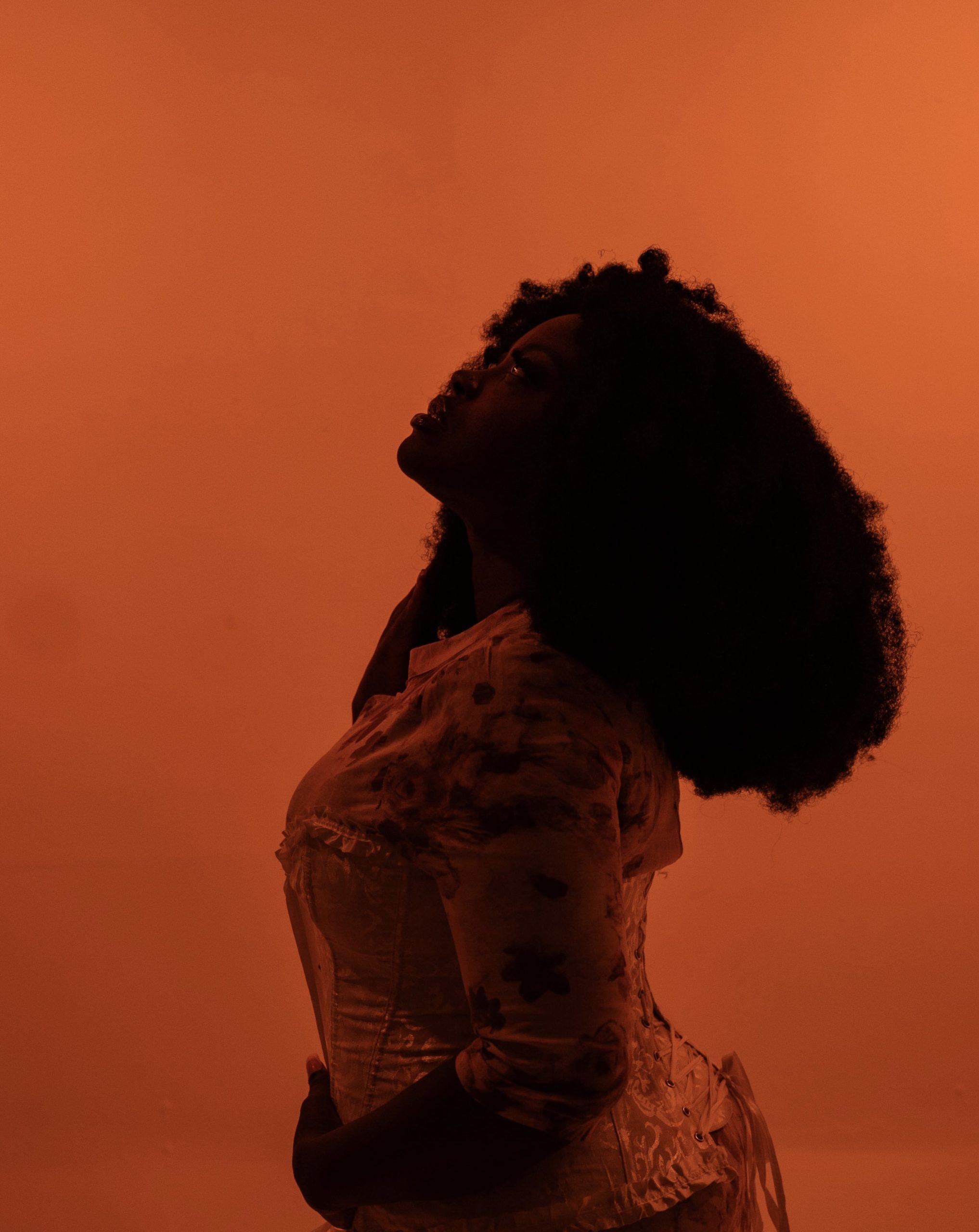
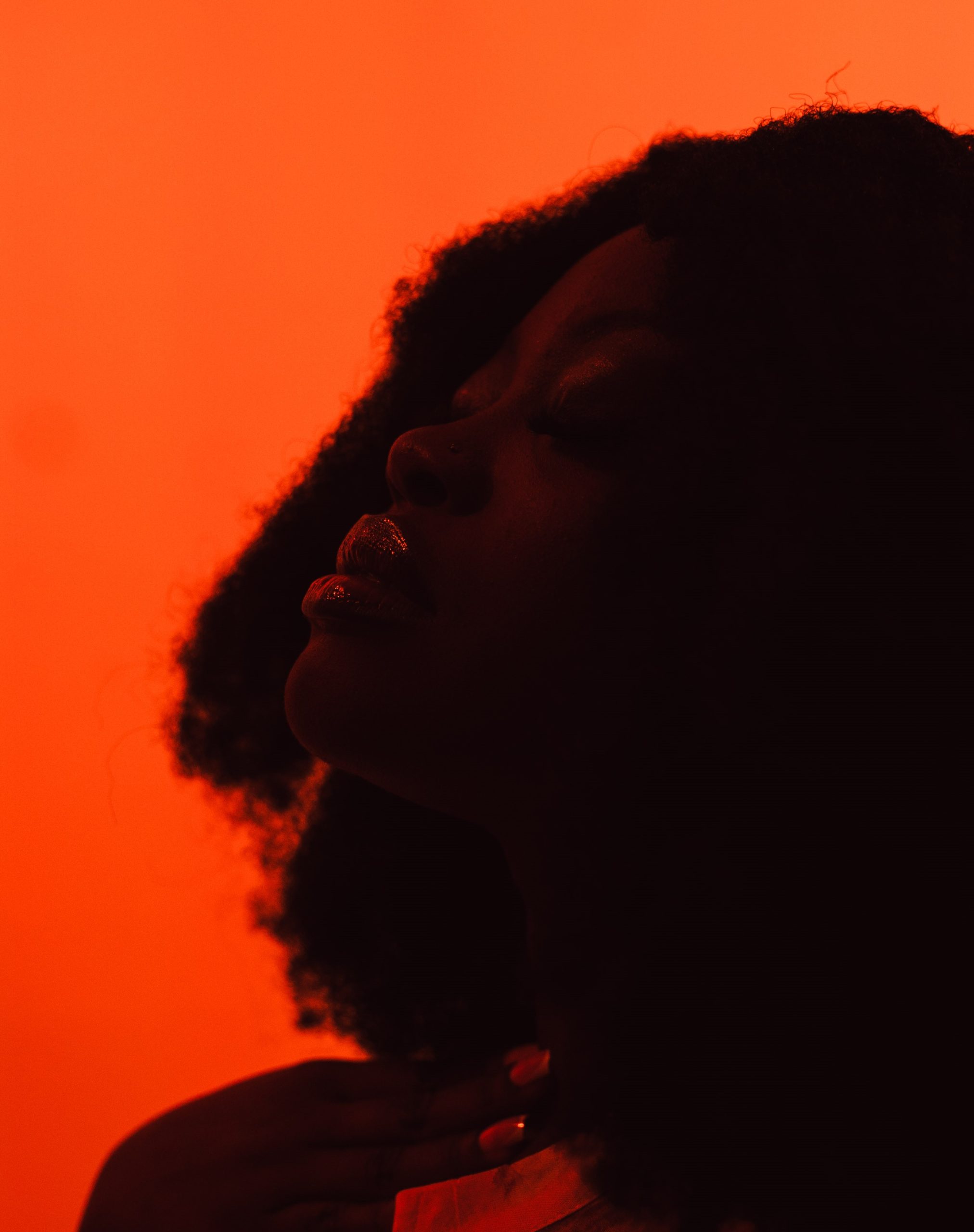
Looking at your journey from 2019 to now, what has changed the most in how you see yourself as an artist?
Ess: I’ve become more confident in my identity. Earlier in my journey, I felt a little pressure to fit into certain expectations. Today, I’m more comfortable trusting my instincts and embracing what makes me different. I’ve learned that my voice, my perspective, and my experiences are enough.
If BLOOM had one message for listeners going through emotional uncertainty, what would you want them to take away from it?
Ess: I would want them to know that growth doesn’t always look beautiful while it’s happening. Sometimes it looks like confusion, heartbreak, longing, or starting over. But every season has a purpose. Bloom is a reminder that even after difficult emotional seasons, it’s still possible to grow, heal, and open your heart again.
With BLOOM, Ess Thee Legend transforms vulnerability into art, crafting a project that feels both deeply personal and universally relatable.
Connect With Ess Thee Legend on Instagram and Spotify
The post Ess Thee Legend Opens Up About Love, Healing, and Vulnerability on BLOOM EP appeared first on Ghana Plug.
What's Your Reaction?