Who is the leader of the new school?
Afrobeats, a vibrant genre originating from West Africa, has undergone a remarkable transformation since its inception. Rooted in the pioneering sounds of Fela Kuti in the 1970s, it blended highlife, jazz, and funk, but the modern iteration—often stylized as “Afrobeats” to distinguish it from Fela’s Afrobeat—gained global traction in the 2010s through artists like Wizkid, Davido, and Burna Boy, collectively known as the “Big Three.” These icons paved the way for international recognition, with hits topping Billboard charts and earning […] The post Who is the leader of the new school? appeared first on HypeTribe.
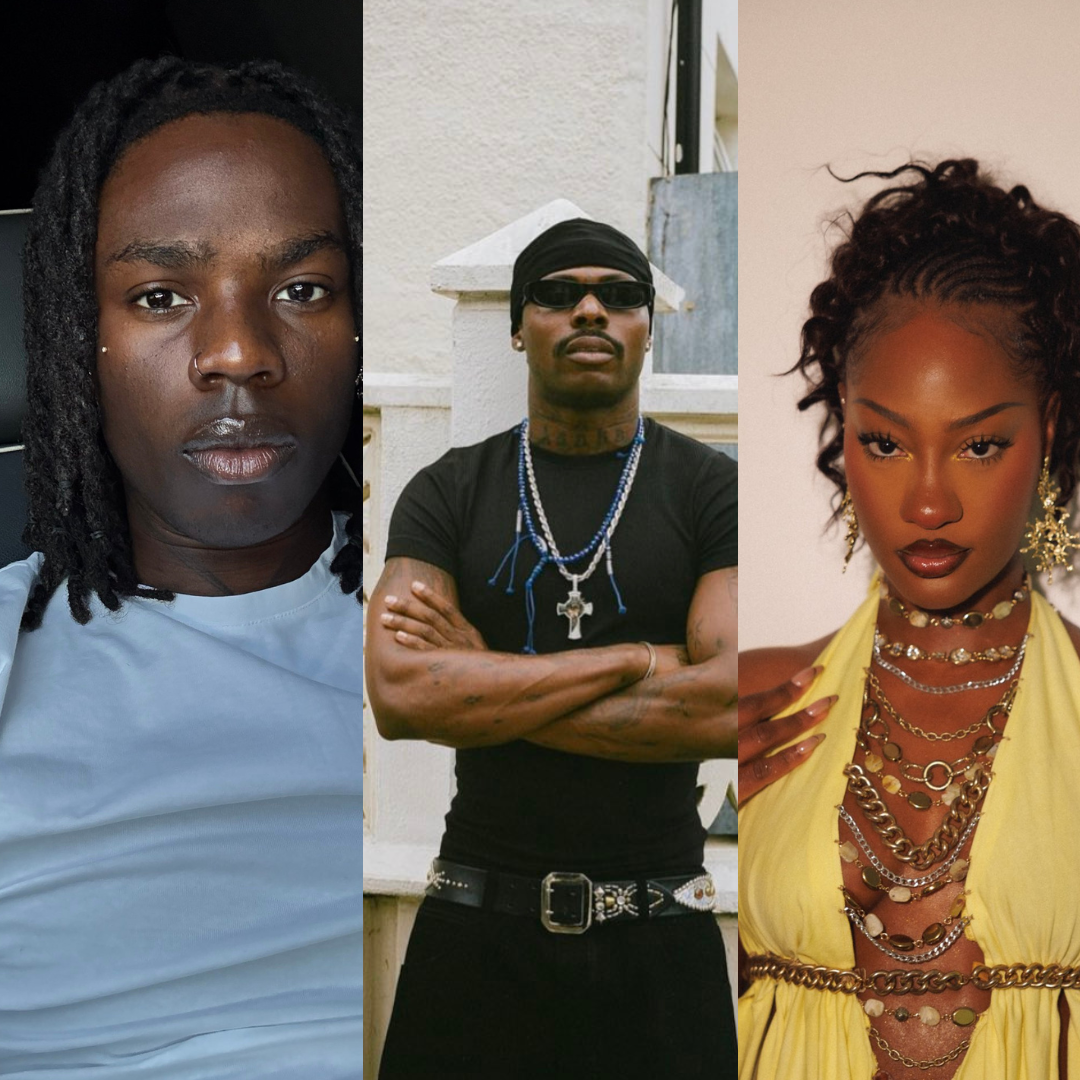


Afrobeats, a lively genre that began in West Africa, has seen a dramatic evolution since its early days. Originating from the trailblazing sounds of Fela Kuti in the 1970s, it originally mixed highlife, jazz, and funk. The contemporary form—often written as “Afrobeats” to set it apart from Fela’s Afrobeat—gained worldwide attention in the 2010s thanks to artists such as Wizkid, Davido, and Burna Boy, the trio known as the “Big Three.” These pioneers opened the door for global acclaim, with chart‑topper singles on Billboard and Grammy accolades. Yet the “new school” or “new gen” wave, which has risen sharply since 2018, marks a fresh chapter. This group blends classic Afrobeats with trap, R&B, South African amapiano, dancehall, and even mainstream pop, producing a more diverse and daring sound. By August 2025, Afrobeats dominates streaming services like Spotify—where it records over 20 billion annual streams worldwide—and shapes festivals across the globe, sparking debate over who truly reigns as the “King” of this new era. Streaming milestones, sold‑out tours, creative innovation, cultural influence, and fan devotion all fuel the conversation. Online communities, X (formerly Twitter) discussions, and music journalists frequently pit these artists against one another, weighing album sales, chart positions, and impact on emerging talent. Below we examine ten leading contenders, detailing their origins, breakthrough moments, key milestones, controversies, and strongest claims to the throne. We also include Tems and Seyi Vibez as notable figures—often dubbed the “queen” and a street‑pop trailblazer of the new school—to acknowledge their undeniable influence. Finally, we highlight a rising victor based on current trajectories as of August 2025.
1. Rema
Divine Ikubor, known as Rema, was born in Benin City, Nigeria, on 1 May 2000. He entered the music scene at 19 with his self‑titled EP in 2019, released through Don Jazzy’s Mavin Records. Rema’s early style, which he calls “Afrorave,” merges trap rhythms with Indian motifs and Afro‑beats, setting him apart from earlier acts. His meteoric ascent is anchored by the 2022 single “Calm Down,” which exploded worldwide after a Selena Gomez remix, becoming the first Afrobeats track to surpass 1.6 billion YouTube views and earning a Guinness World Record as the most‑streamed Afrobeats song. By 2025, his catalog includes albums such as *Rave & Roses* (2022) and *HEIS* (2024), the latter debuting at No. 1 on several charts. Recent highlights include headlining Toronto’s Scotiabank Arena in May 2025, where critics dubbed him the “King of the Rave and the Future of Afro Beats,” and amassing over 2.8 billion album streams in the past three years—outpacing many contemporaries. Rumored collaborations with international stars like Drake and Justin Bieber, along with seven No. 1 chart debuts, underscore his global reach. Fans argue his lyricism places him at the top among new‑gen artists, and his influence on sensual, introspective Afrobeats cements his claim. Some critics point to his occasional reliance on features for hits, but his consistency—evident in 2025 releases that topped Billboard’s Afrobeats chart—positions him as a front‑runner. Discussions on X often crown him the new king, eclipsing even the Big Three in streaming dominance.
2. Asake
Ahmed Ololade Asake, born 13 January 1995 in Lagos, transitioned from acting and graphic design to music, signing with Olamide’s YBNL Nation in 2022. His debut EP *Ololade Asake* introduced a fuji‑infused Afrobeats style rooted in Yoruba street culture. Asake’s claim to the crown lies in his rapid chart success and live‑performance prowess; hits such as “Omo Ope,” “Amapiano,” and “Lonely at the Top” have dominated Nigerian airwaves. His 2024 album *Work of Art* and 2025 release *Lungu Boy* blend amapiano, house, and traditional elements. By mid‑2025, he has accrued 1.3 billion album streams over three years, sold out 10 arenas—including London’s O2 multiple times—and earned Grammy nominations. His street credibility shines through Yoruba lyrics and energetic stages, earning him praise as the “most talented” new‑gen artist for turning everyday motifs into art. Recent 2025 feats include collaborations with Travis Scott and consistent top spots on Spotify’s African charts. Critics, however, note his heavy use of backup vocals and Yoruba dominance may limit global appeal compared to English‑leaning peers. X discussions often rank him No. 1 for consistency, with three albums in recent years, and fans argue his influence rivals Rema’s in cultural depth.
3. Tems
Temilade Openiyi, known as Tems, was born 11 June 1995 in Lagos, Nigeria. She emerged as a self‑taught artist with her debut single “Try Me” in 2019, but truly broke through in 2020 through her feature on Wizkid’s “Essence,” which peaked at No. 9 on the Billboard Hot 100 after a Justin Bieber remix and earned a Grammy nomination for Best Global Music Performance. Her claim to the title—often framed as the “queen” of the new‑school Afrobeats—stems from her soulful, raspy vocals, introspective lyrics, and pivotal role in elevating the genre worldwide. Tems’ discography includes EPs such as *For Broken Ears* (2020) and *If Orange Was a Place* (2021), followed by her debut album *Born in the Wild* (2024), which received critical acclaim for its R&B‑infused Afrobeats and swaggering bangers, debuting high on charts worldwide. In 2022, her vocals from “Higher” were sampled in Future’s “Wait for U” (featuring Drake), winning her a Grammy for Best Melodic Rap Performance, making her the first African artist to debut at No. 1 on the Hot 100 as a featured act. By 2025, Tems has amassed billions of streams, with hits like “Free Mind” and “Love Me JeJe” (which won the Best African Music Performance Grammy at the 67th Grammys in February 2025, beating out heavyweights such as Burna Boy and Yemi Alade, and garnering over 20 million YouTube views). She’s been crowned “Afrobeats new queen” by outlets like Punch Newspapers and hailed as the genre’s “poster girl” for her rocket‑fueled rise, influencing music styles and filling stadiums. However, some debates note her slower output pace compared to peers like Asake, though her quality‑over‑quantity approach and 2025 tour dates underscore her enduring reign. In new‑school discussions, she’s frequently pitted against Rema and Ayra Starr as the future, with her 2022‑2025 trajectory solidifying her as an undeniable claimant to the throne.
4. Omah Lay
Stanley Omah Didia, born 19 May 1997 in Port Harcourt, Nigeria, rose to prominence in 2020 with the EP *Get Layd*, featuring “Bad Influence.” His introspective, soulful style explores vulnerability, as seen in *Boy Alone* (2022) and its deluxe editions. With 897 million streams recently, hits such as “Soso” and collaborations with Justin Bieber, Omah Lay’s 2025 tours across the U.S. and Europe highlight his appeal. He’s often grouped with Rema and Tems as the future, boasting a strong pen game and emotional resonance. However, fewer albums (one major) and no arena sales place him behind his peers. Fans praise his consistency in authentic Afrobeats.
5. Ayra Starr
Oyinkansola Sarah Aderibigbe, born 14 June 2002 in Cotonou, Benin, but raised in Nigeria, signed to Mavin in 2020. Her “celestial” pop‑Afrobeats blend shone in “Rush” (2021), earning a Grammy nod and 300 million views. Albums *19* & *Dangerous* (2021) and *The Year I Turned 21* (2024) feature R&B infusions, with 1.4 billion streams. In 2025, playlist features (e.g., Obama’s) and Kelly Rowland co‑signs boost her. As a female leader, her versatility in melody earns top rankings, though zero arena sales noted. She’s No. 2 biggest after Rema in many lists.
6. Fireboy DML
Adedamola Adefolahan, aka Fireboy DML, born 5 February 1996 in Abeokuta, Nigeria, debuted in 2018 with YBNL after studying English at university. His melodic, R&B‑tinged Afrobeats debuted with *Laughter, Tears & Goosebumps* (2019), but “Peru” (2021, remixed with Ed Sheeran) catapulted him internationally, amassing over 500 million streams. Fireboy’s strengths include songwriting depth—often ranked No. 1 in pen game among new‑gen artists—and vocal soulfulness, with albums like *Playboy* (2022) and *Adedamola* (2024) earning Headies Awards and 948 million streams in recent years. In 2025, he’s noted for artist development, influencing talents like Ayo Maff, and certifications across four songs. His one sold‑out arena and influence in “Afrofinished” (a fan term for refined Afrobeats) make him a contender, with metrics showing him topping talent and consistency debates. Critics appreciate his avoidance of trending waves, sticking to pure Afrobeats, though some say his output lacks Asake’s volume. X polls frequently place him as the most sophisticated, with unreal influence.
7. Seyi Vibez
Balogun Afolabi Oluwaloseyi, known as Seyi Vibez, born around 12 July 2000 in Ketu, Lagos, Nigeria, and raised in Ikorodu, has emerged as a street‑pop powerhouse in the new‑school Afrobeats scene. Debuting in 2019 with “Anybody,” he gained traction in 2020 with “Godsent,” leading to his first album *NSNV* (No Seyi No Vibez) in 2021. His breakthrough came with 2022’s *Billion Dollar Baby* and its hit “Chance (Na Ham),” which debuted at No. 19 on the UK Afrobeats singles chart and peaked at No. 7 on TurnTable Top 100, followed by mixtapes like *Billion Dollar Baby 2.0*. Seyi Vibez’s claim to the throne lies in his rapid‑release strategy and street‑hop dominance, blending Yoruba soul, fuji/waka influences, and Afrobeats for raw, motivational anthems that resonate with urban youth. By 2025, he’s released projects such as *Thy Kingdom Come* (2023), *Loseyi Professor* (2024), and *Children of Africa* (2025), the latter becoming the first Nigerian album of the year to chart on Billboard’s World Albums, kicking off with acclaim for its storytelling and infectious rhythms. Accumulating billions of streams, he’s partnered with EMPIRE, dropped tracks like “Pressure,” and collaborated with stars like Burna Boy on “Giza” (from *I Told Them*), Asake, and Wizkid on remixes. Seyi Vibez’s hustle‑to‑harmony narrative positions him as a strong contender, especially in the street‑savvy wing of the new school.
8. Ruger
Michael Adebayo Olayinka, or Ruger, brings edgy, dancehall‑tinged Afrobeats to the forefront. His 2021 debut “Bounce” exploded, followed by hits like “Asiwaju” and the *RU The World* album. Ruger’s claim includes headlining festivals and collaborations with international acts, amassing over a billion streams. Often listed among artists to watch in 2025, his Jonzing World backing and consistent chart performance in Nigeria and the diaspora position him as a versatile king‑in‑waiting.
9. Victony
Anthony Ebuka Victor, known as Victony, overcame a near‑fatal accident to claim his spot with “Soweto” (2022), a global smash remixed with Rema and Don Toliver. His *Outlaw* EP and *Stubborn* album fuse hip‑hop and Afrobeats, earning him acclaim for resilience and innovation. Victony’s international tours and features on major playlists strengthen his bid, with fans viewing him as part of the new‑school’s core alongside Omah Lay.
10. Bnxn (fka Buju)
Daniel Benson, aka Bnxn, leverages his smooth vocals and hit‑making ability. His 2021 track “Outside” and collaborations like “Finesse” with Pheelz have racked up hundreds of millions of streams. Signed to T.Y.E./Empire, his *Sincerely, Benson* album (2023) highlights his songwriting prowess, earning Headies wins and Billboard nods. Bnxn’s versatility in blending Afrobeats with reggae and pop makes him a strong claimant in the new wave.
The Emerging Winner: Rema
While the debate rages—Wizkid often called the “king of old and new school” and others like Fireboy and Asake hot on the heels—Rema emerges as the frontrunner for 2025. While Tems’ Grammy wins and queen status add a powerful female dimension, Rema’s precedent‑setting streaming records, innovative sound (dubbed “Afrorave”), and cultural impact, including headlining festivals and inspiring a new generation, set him apart. Multiple sources crown him the “king of Afrobeat new school,” with feats like seven No. 1 debuts on charts and global endorsements solidifying his rise. As Afrobeats continues to dominate, Rema’s trajectory suggests he’s not just participating—he’s leading the charge.
The post Who is the leader of the new school? appeared first on HypeTribe.
What's Your Reaction?