1er Gaou by Magic System: The African Classic That Conquered the World
From the streets of Abidjan to platinum recognition in France decades later, 1er Gaou by Magic System stands as one of the most influential African songs ever created. The post 1er Gaou by Magic System: The African Classic That Conquered the World appeared first on HypeTribe.


From a heartbreak in Abidjan to a platinum plaque in Paris, the 27-year journey of the song that taught the world to believe in African music.
Few songs in African music history have travelled as far or endured as long as 1er Gaou by Magic System. What began as a self-funded recording from a group of friends in Abidjan grew into a continental anthem and eventually a global cultural reference point. More than two decades after its release, the song continues to echo across dancefloors, weddings, clubs and family gatherings wherever Africans gather.
The story of 1er Gaou is not just about music. It is a story about friendship, resilience, heartbreak, and the ability of African creativity to cross borders long before the modern global boom of Afrobeats.
The Rise of Magic System
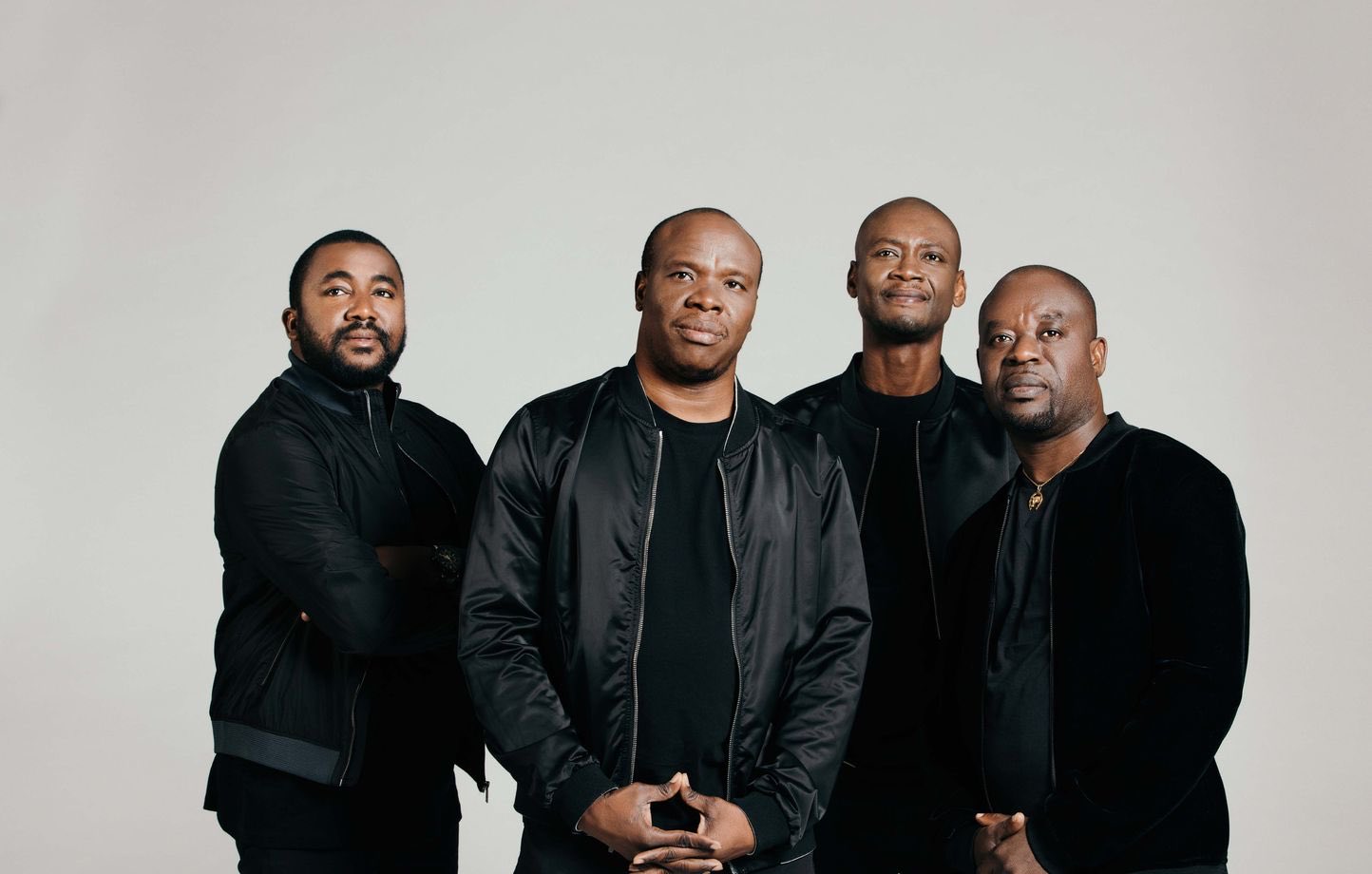
Magic System is an Ivorian music group formed in 1996 in Abidjan, Côte d’Ivoire. The group consists of four childhood friends who grew up together in the working class neighbourhood of Anoumabo. The members are Salif Traoré, popularly known as A’Salfo, Narcisse Sadoua known as Goude, Étienne Boué Bi known as Tino, and Adama Fany known as Manadja.
Their shared love for music and football brought them together during their teenage years. Like many young artists from Abidjan at the time, they were deeply inspired by the success of Ivorian reggae legend Alpha Blondy, whose international career proved that an African artist could command global attention.
Magic System developed their sound within the Zouglou tradition, a style of music rooted in social commentary and energetic rhythms. Their songs often spoke about everyday struggles and social realities in Ivorian society while their live performances became known for their vibrant energy.
Their debut album Papitou was released in 1997 but failed commercially. Instead of giving up, the group returned to the studio determined to try again. Their persistence would soon pay off in a way none of them could have predicted.
The Creation of 1er Gaou
1er Gaou was released in 1999 as the lead single from Magic System’s second album of the same name. The song blended traditional Ivorian Zouglou rhythms with modern synthesizers, giving it a fine blend of both local and contemporary sounds.
The project was created without the backing of a major record label. The album was financed by journalist and media personality Ephrem Youkpo, who believed strongly in the group’s potential. When major labels refused to distribute the record, Youkpo arranged distribution through the company Sonima after the album’s release in January 2000.
The risk paid off almost immediately. The album sold forty thousand copies within its first two weeks and quickly spread across the African continent. Before the song even reached European audiences, Magic System had already sold more than one million records throughout Africa.
A Song Released During a National Crisis
The rise of 1er Gaou happened during a turbulent moment in the history of Côte d’Ivoire. On Christmas Eve in 1999, a military coup led by Robert Guéï overthrew President Henri Konan Bédié. It was the country’s first coup and drew global attention to the nation.
In the midst of political uncertainty, the success of 1er Gaou offered something different to the public. The song brought humour and joy at a time when the country was facing serious challenges. According to A’Salfo, the international attention surrounding the coup also helped shine a spotlight on the music that was emerging from the country.
The Meaning Behind the Song
The phrase 1er Gaou comes from Nouchi, a form of urban slang spoken in Abidjan that mixes French with several Ivorian languages. In this context, the word gaou refers to a naive or foolish person.
The song tells a deeply personal story from the life of lead singer A’Salfo. As a struggling and unknown musician, he was abandoned by his girlfriend because he had no money and could not provide a luxurious lifestyle. After Magic System achieved fame and financial success, the same woman attempted to return to his life.
Instead of accepting her back, he refused. The famous refrain of the song explains the lesson behind the experience. The lyrics state that “the first fool is not truly a fool, but the second fool is the real fool“. In other words, being rejected the first time is not foolish. Taking back the same person who rejected you just because you have acquired wealth now would be the true mistake.
The message of dignity and self-respect helped the song resonate with listeners far beyond Côte d’Ivoire. People across cultures could easily relate to the themes of heartbreak, pride, and personal growth.
The Global Breakthrough
The international rise of 1er Gaou began when French radio host Claudy Siar discovered the song during one of his visits to Abidjan. He introduced it on his radio programme in France, helping the track circulate within Parisian communities connected to the African diaspora.
French label Sonodisc eventually licensed the track and enlisted well-known producer Bob Sinclar to create a remix aimed at the Paris club scene. The remix attracted attention in nightclubs, but it also sparked widespread curiosity about the original version of the song.
Soon, the track began receiving heavy rotation across French radio stations. Magic System later relocated to France and further reworked the song with additional Soca elements to reach a broader European audience.
The strategy proved successful as the track entered music charts across several countries, including France, Belgium, Switzerland, and other European territories.
Chart Success and Lasting Achievements
1er Gaou reached number four on the French charts and remained in the top one hundred for twenty-eight weeks. Ten of those weeks were spent inside the top ten. The song sold approximately three hundred thousand copies in France alone.
It also reached the top ten in Belgium and remained within the country’s top forty for fifteen weeks. The popularity of the track made it one of the most significant African hits to enter European markets at the time.
The success of the song transformed Magic System into international performers. They began touring widely, performing in cities across Africa and Europe to audiences that often exceeded twenty-five thousand people.
Their later releases continued to find success. The album Ki Dit Mie topped world music charts across Europe for months, while the album Cessa Kié la Vérité appeared on Billboard’s European Top 100 chart.
A New Life for the Song
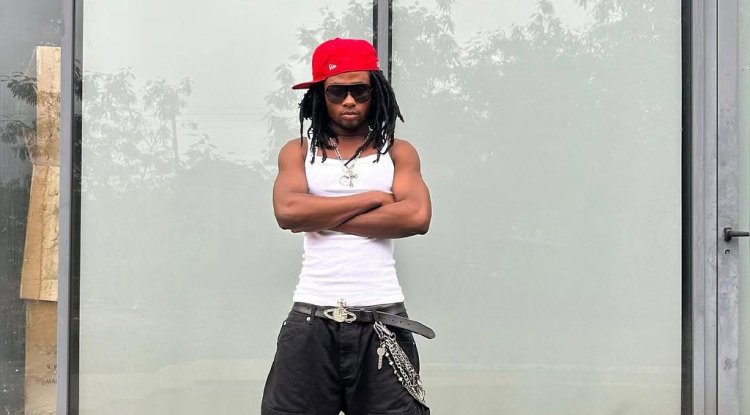
More than two decades after its original release, 1er Gaou experienced a remarkable resurgence. In 2023, Haitian producer Francis Mercier and Zimbabwean artist Nitefreak created an Afro house remix that introduced the song to a new generation of listeners.
The remix achieved major commercial success, and in 2026, it was officially certified platinum in France. The milestone demonstrated the extraordinary longevity of the song and its ability to evolve across musical eras.
For Magic System, the moment symbolised the continued journey of a record that first emerged from a modest neighbourhood in Abidjan in the late nineteen nineties.
Cultural Impact Across the African World
Over the past twenty years, 1er Gaou has become one of the most widely recognized songs in African popular culture. It is largely sampled, frequently played at weddings, parties, nightclubs, and social gatherings throughout the continent and across the diaspora.
The opening drum rhythm alone is often enough to ignite a dancefloor. Listeners from different linguistic backgrounds join in the chorus regardless of whether they fully understand the lyrics. The song has become a shared cultural memory for Africans living around the world.
Long before the global popularity of genres like Amapiano and Afrobeats, 1er Gaou demonstrated that African music could travel effortlessly across borders. Its success helped pave the way for future hybrid genres such as Afrotrap, Afrowave and Afroswing that later emerged in Europe through artists of African descent.
Legacy Beyond Music
The achievements of Magic System extend beyond their musical catalogue. The group has invested in community development within their home neighbourhood of Anoumabo, creating a festival and supporting healthcare centres and schools through their foundation.
A’Salfo himself later became a UNESCO Goodwill Ambassador, further strengthening the group’s reputation as cultural ambassadors for Côte d’Ivoire.
Closing
In March 2026, on a space on X (fommerly Twitter), I was having a music-centric discourse with mutuals, and my good man, Olumide, made a statement that struck me. He said…
If we want to talk about the Greatest African Song of all time, then it’s got to be 1er Gaou.
That was what inspired the writing of this article. 1er Gaou is more than just “a successful song”, it goes beyond charts and numbers. It is a powerful example of how authenticity and storytelling can transform a simple recording into a timeless cultural symbol.
From a self-funded studio project in Abidjan to platinum certification in France decades later, the journey of 1er Gaou shows the enduring power of African music. The song continues to connect generations of listeners and remains a reminder that great music does not fade with time. Instead, it grows, travels, and finds new life with every generation that hears it.
The post 1er Gaou by Magic System: The African Classic That Conquered the World appeared first on HypeTribe.
What's Your Reaction?