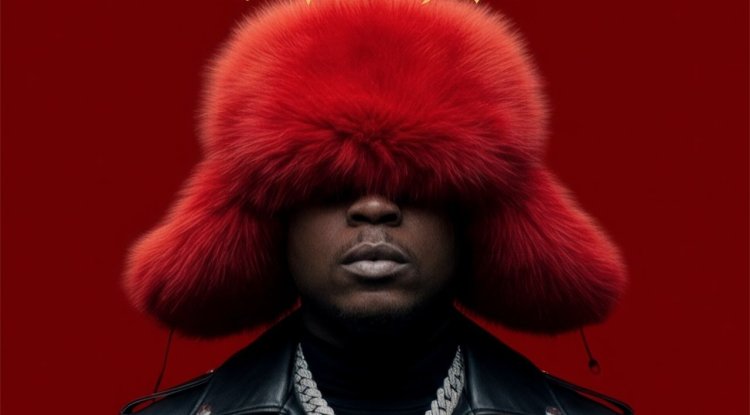
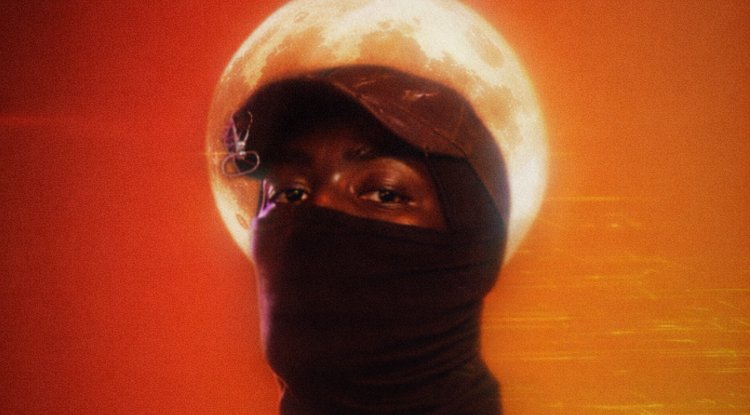
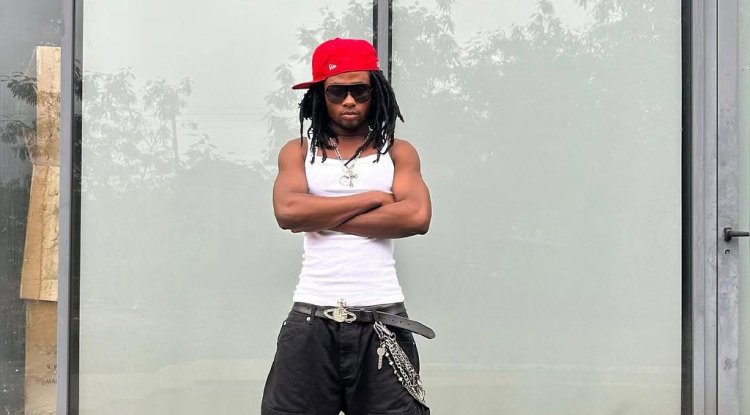
The Indigenous Superstars of Afrobeats: Olamide, Phyno, and Asake
Afrobeats has become the soundtrack of a generation, a genre that has taken Nigeria’s local rhythms and turned them into a global export. Yet at the core of this movement lies a remarkable truth: some of its biggest stars achieved global acclaim not by abandoning their native languages, but by doubling down on them. For Olamide, Phyno, and Asake, Yoruba and Igbo aren’t just means of communication—they are instruments, rhythms, and cultural signatures that have turned their music into something […] The post The Indigenous Superstars of Afrobeats: Olamide, Phyno, and Asake appeared first on HypeTribe.



Afrobeats has evolved into the anthem of a generation, a style that has transformed Nigeria’s indigenous beats into worldwide hits. Still, the heart of this wave holds a striking fact: many of its most celebrated artists gained international fame not by forsaking their mother tongues, but by embracing them fully.
For Olamide, Phyno, and Asake, Yoruba and Igbo are more than mere languages—they function as instruments, beats, and cultural trademarks that render their tracks irresistibly captivating. Their journeys demonstrate that Nigeria’s native voices are not merely surviving—they’re flourishing globally.
Olamide: The Urban Monarch Who Elevated Yoruba
Stroll through Lagos on a Friday evening and Olamide’s voice will permeate the city—echoing from street‑side speakers, vibrating through keke napep radios, and booming in car stereos jammed in traffic. For more than ten years, Olamide has been the pulse of the streets, an artist whose Yoruba‑rich tracks resonate with the masses in ways few others can.
When Wo!! dropped in 2017, it wasn’t just a song—it was a cultural milestone. In markets and university hostels, fans shouted along to its Yoruba verses, while its viral dance swept clubs across Africa. Even in London and Houston, Nigerian diaspora crowds erupted the instant the beat kicked in.
What makes Olamide legendary is his refusal to dilute his artistry. His lyrics, threaded with Yoruba slang and metaphors, speak directly to everyday Nigerians, yet somehow strike a chord worldwide. From Durosoke to Bobo, he proved that Yoruba rap can dominate international stages. With his latest project “olamide” surpassing 100 million streams, Olamide isn’t just an artist—he’s a cultural cornerstone. OLAMIDE BADDO, THE BLUEPRINT OF AFROBEATS 

— Eni Duro (2011)
— Omo to Shan ft. Wizkid (2011)
— Voice of the Street (2012)
— First of All (2012)
— Durosoke (2013)
— Turn Up (2013)
— Eleda Mi (2014)
— Story for the Gods (2014)
— Bobo (2015)
— Lagos Boys (2015)
— Melo Melo… pic.twitter.com/x3AEzAgNl8— HYPETRIBE (@hypetribeng) March 16, 2024
Phyno: The Igbo Rap Commander
While Olamide championed Yoruba, Phyno carried Igbo like a badge of honor. When he first emerged, many industry insiders questioned whether an Igbo rapper could break through nationally, let alone internationally. Yet Phyno had a different vision.
His breakout hit Alobam became an anthem in 2014, instantly putting Igbo rap in the spotlight. Fans who didn’t understand Igbo still rapped along phonetically, drawn to the energy and cadence of his flow. Later, Fada Fada, his collaboration with Olamide, turned into a pan‑Nigerian anthem, proving that linguistic diversity was a strength, not a hurdle. 11 Years Ago Today, Phyno Released the Iconic “Alobam” pic.twitter.com/vhFw26Zf7r— HYPETRIBE (@hypetribeng) March 20, 2025
On stage, Phyno embodies his language. From Enugu to London, he commands crowds with verses entirely in Igbo, and the audience responds word for word. His success gave a generation of Igbo rappers permission to stay authentic, reshaping the balance of Afrobeats.
Asake: The Fresh Voice of Yoruba‑Infused Fusion
In 2022, a new force burst onto Afrobeats—Asake. Emerging with Omo Ope and later the viral hit Sungba, he immediately stood out for his fearless use of Yoruba, his Fuji‑inspired vocal flair, and his knack for blending street sounds with global trends.
Asake doesn’t merely sing in Yoruba—he constructs entire sonic landscapes around it. His choruses become chants, his verses become proverbs, and his melodies echo traditional Yoruba call‑and‑response. Yet the production—fast‑paced, bass‑heavy, and infused with amapiano—propels it into a futuristic realm. ASAKE in a space of 20 months 
— Grammy Award Nominee 
— First African Act to sell out Barclays Center (19k capacity)
— Sold out The 02 Arena (20k capacity)
— Sold out O2 Brixton Academy
— 28+ nominations & 10 career awards
— First ever African artiste to chart on… pic.twitter.com/4poY54J23H— HYPETRIBE (@hypetribeng) November 11, 2023
During his O2 Arena show in London, thousands of fans echoed Yoruba lines they barely understood, word for word. That moment captured Asake’s magic: he turned indigenous language into something not only palatable but also fashionable, trendy, and global. It’s clear that the torch passed from Olamide to Asake was one of the best decisions ever made in Afrobeats history.
Why Their Native Tones Succeed
What Olamide, Phyno, and Asake share is a steadfast commitment to their roots. Yoruba and Igbo aren’t just languages in their music—they’re sonic identities. Their use of native tongues produces three powerful outcomes:
- Authenticity: Their tracks feel genuine, rooted in the everyday life and humor of Nigerian streets.
- Universality through Vibe: Even without translation, global listeners grasp the emotion and rhythm.
- Cultural Pride: They remind Nigerians at home and abroad that local identity is not something to conceal—it’s something to celebrate.
The Enduring Impact of Indigenous Icons
Together, Olamide, Phyno, and Asake have reshaped the Afrobeats map. They proved that superstardom can be achieved without abandoning your mother tongue. Yoruba and Igbo, once viewed as regional boundaries, are now global rallying cries.
From Lagos to London, Enugu to New York, their music reverberates through speakers, carrying not just beats but language, identity, and cultural pride. They have shown the world that Nigeria’s indigenous voices aren’t merely surviving in Afrobeats—they’re leading it.
 In the end, these superstars didn’t just use Yoruba and Igbo to create hits—they transformed them into the rhythm of a global movement.
The post The Indigenous Superstars of Afrobeats: Olamide, Phyno, and Asake appeared first on HypeTribe.
What's Your Reaction?